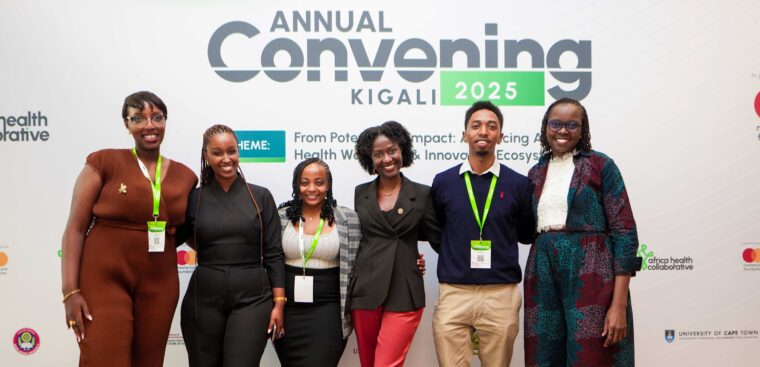

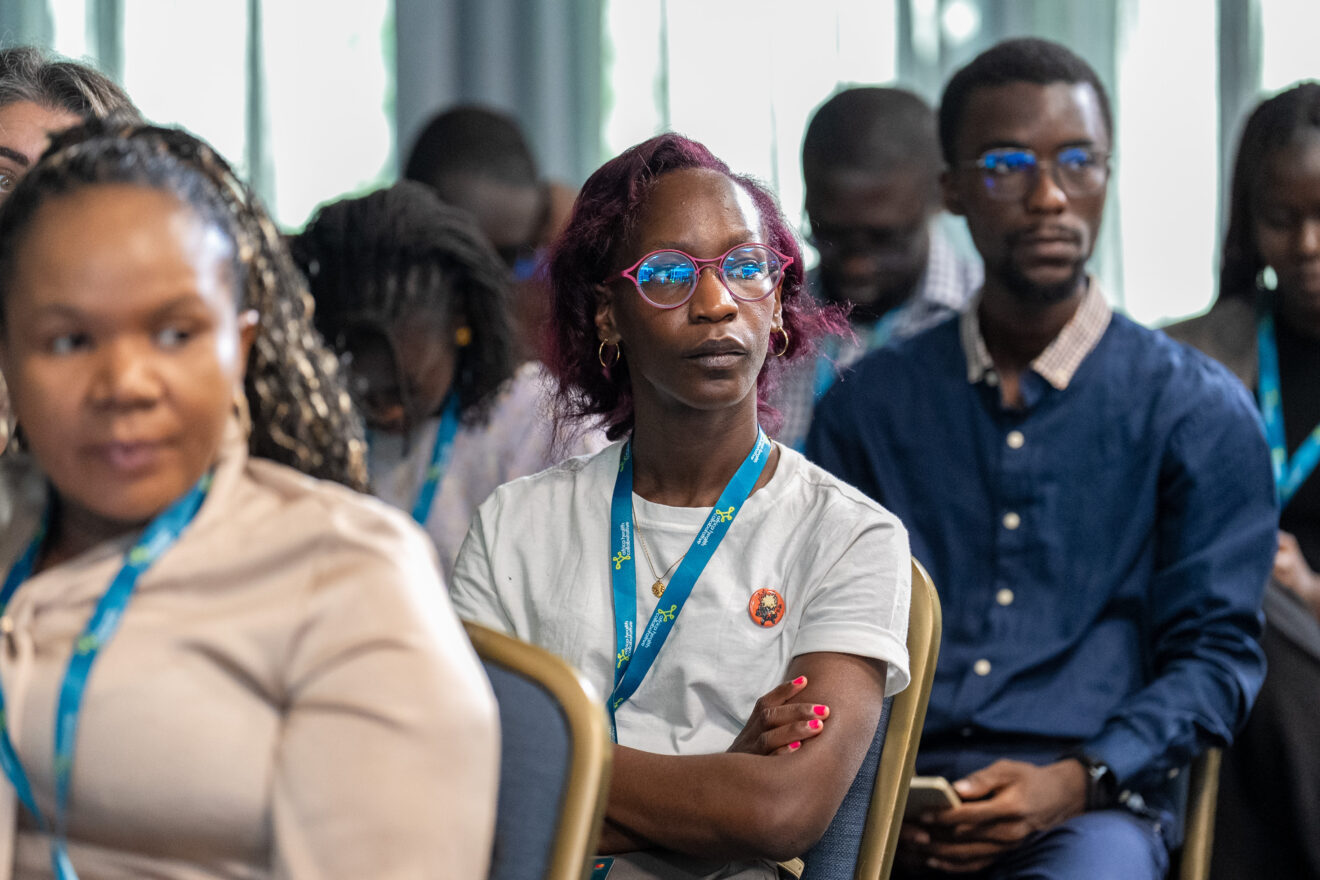
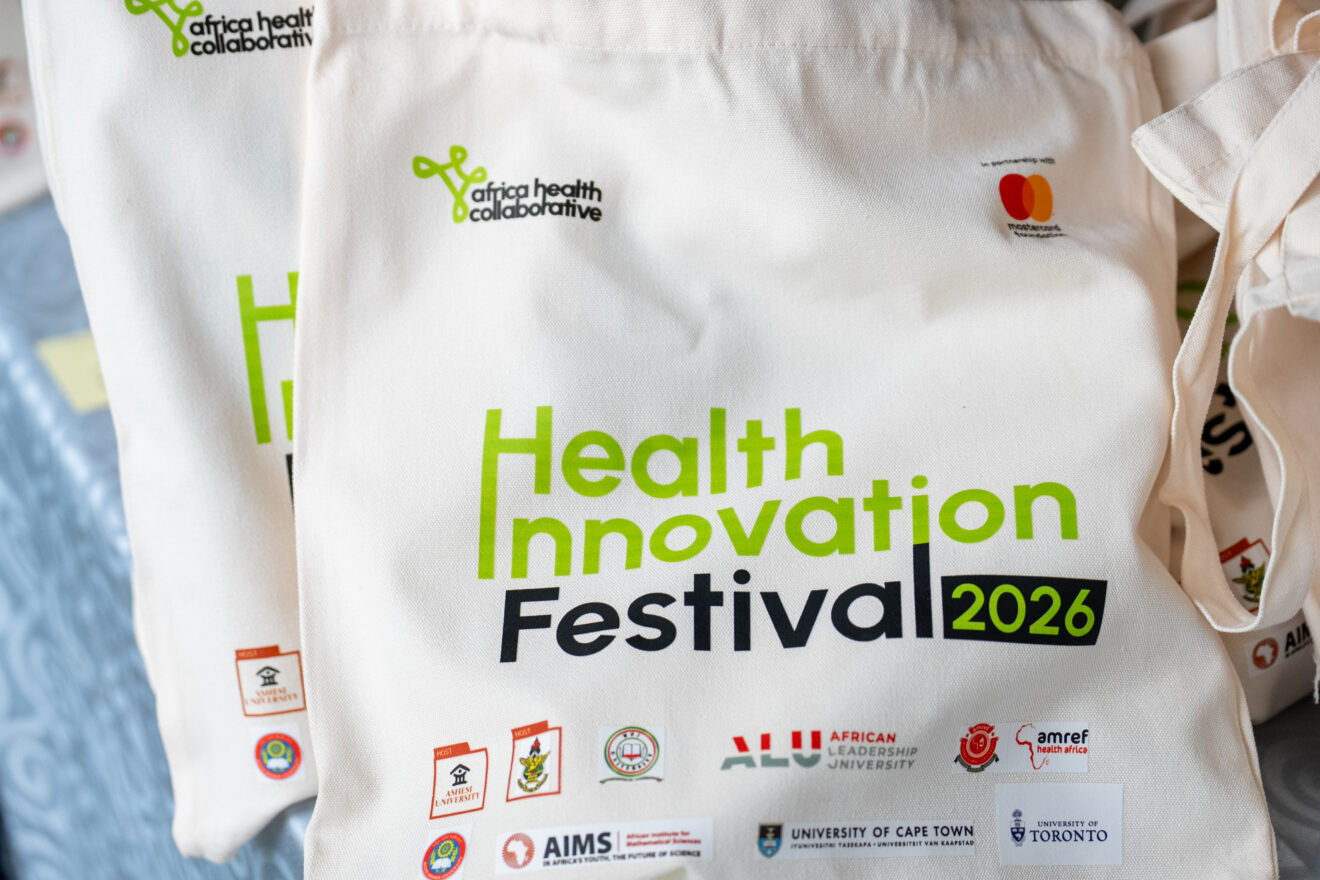
The opening ceremony of the Africa Health Collaborative’s flagship Health Innovation Festival (HIFest) 2026, held on June 4, 2026, at the Fiesta Royale Hotel, Accra, was energetic and inspiring. Innovators, researchers, entrepreneurs, investors, and ecosystem leaders from across Africa and Canada gathered to explore how locally driven innovation can shape more resilient and self-sustaining health systems.
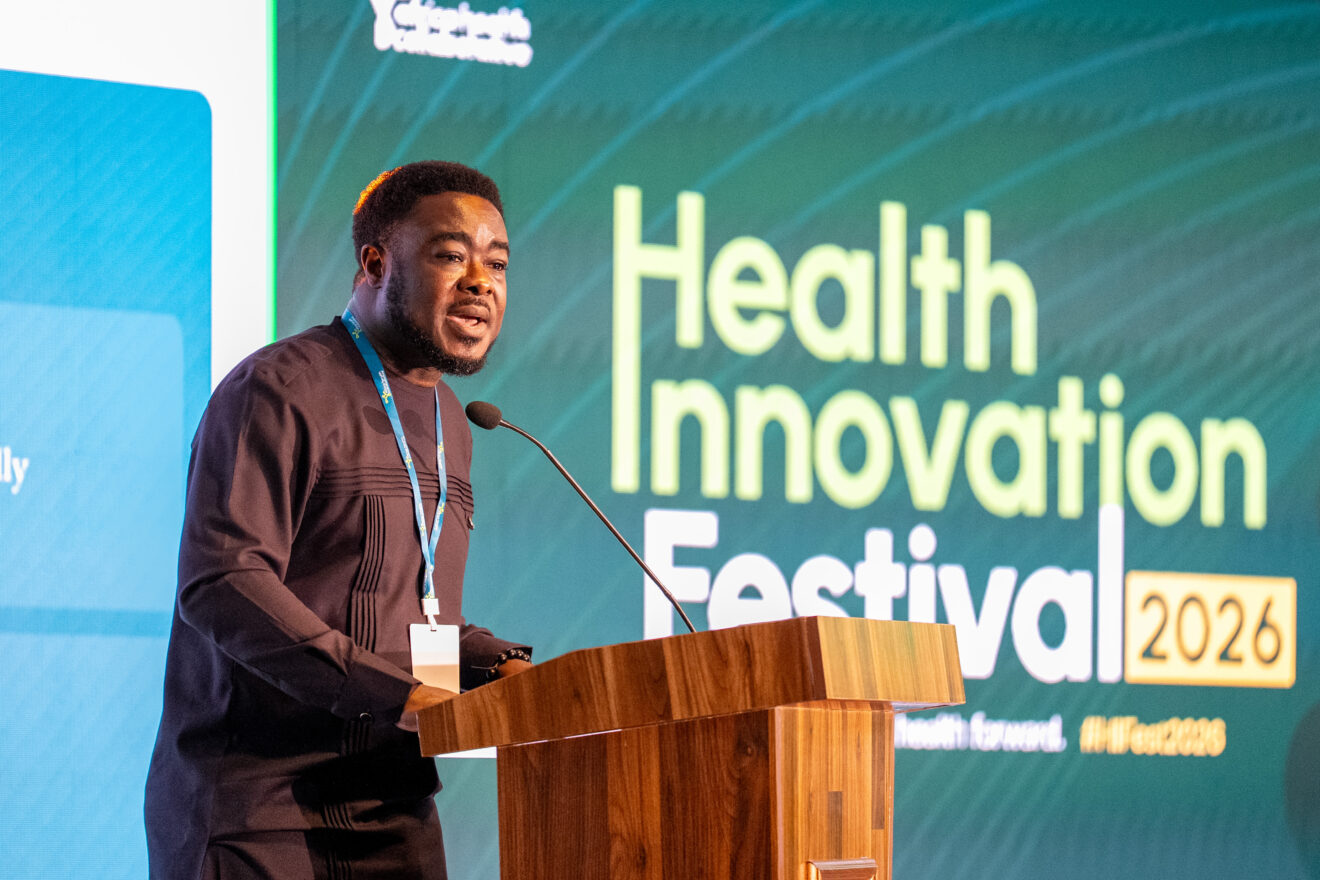
In his keynote address, Dr. Sodzi Sodzi-Tettey, CEO of Ghana’s National Vaccine Institute (NVI), outlined a compelling vision for continental health sovereignty. He emphasized that true independence requires African nations to strengthen their local research, manufacturing, and innovation ecosystems. Highlighting Ghana’s progress, Dr. Sodzi-Tettey shared how the country is building a resilient, self-sufficient vaccine manufacturing capacity—not only to protect its own citizens but also to contribute significantly to global health security.
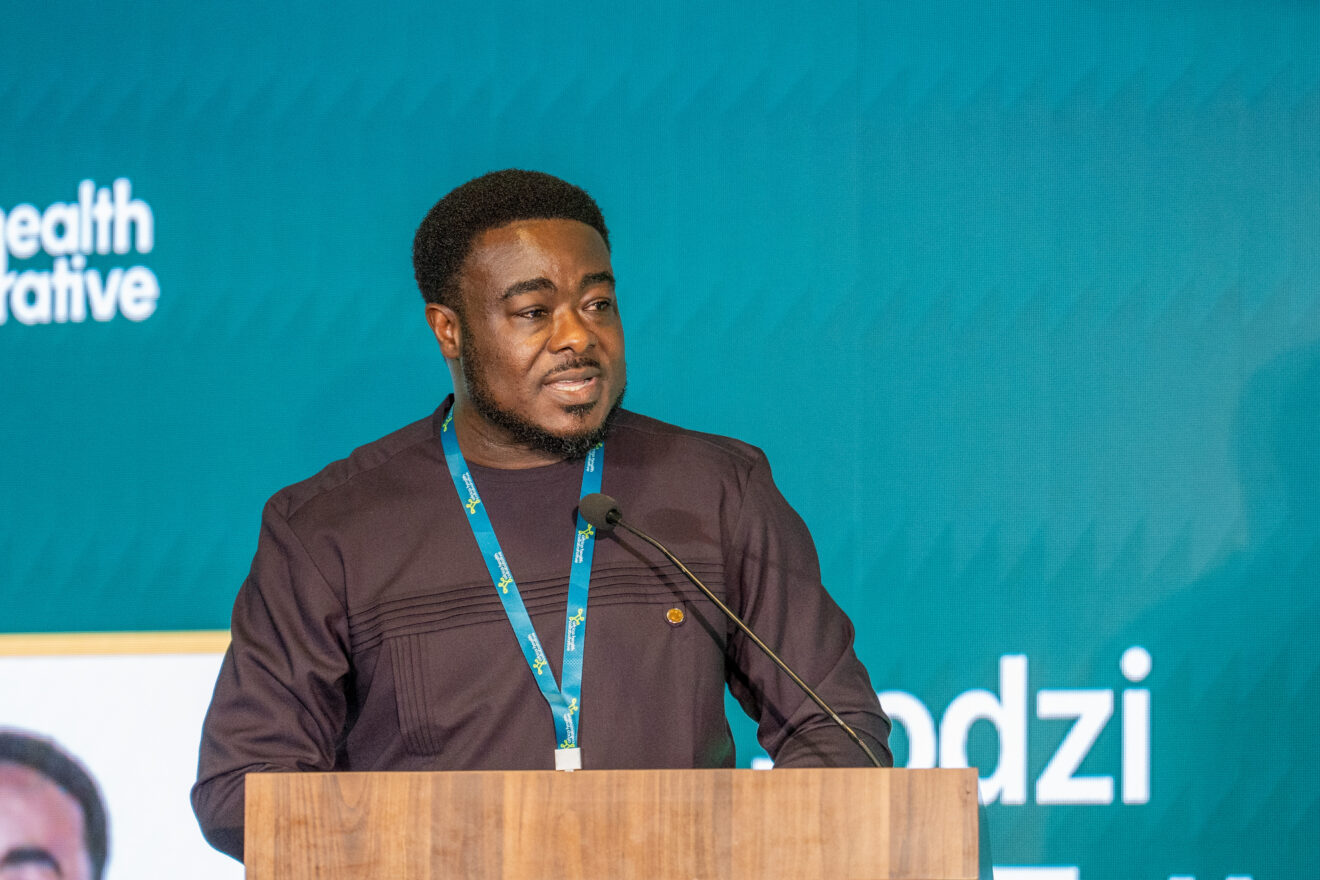
The Vision of Health Sovereignty
Africa’s brilliant minds and dedicated policymakers are working tirelessly to secure healthy futures for their communities. Yet, some significant systemic barriers persist. Currently, Africa manufactures less than 1% of the vaccines it uses, leaving many countries heavily dependent on external supply chains. Recent global health crises, such as COVID-19, have demonstrated that relying heavily on external supply chains forces African nations to wait while other regions address their own national needs first.
Dr. Sodzi-Tettey emphasized ‘the next global health crisis is a matter of when, not if‘. His call to action: Africa must continue building the capacity to develop, manufacture, and deliver health solutions that are responsive to its own priorities and realities.
Ghana’s Strategic Blueprint and Achievements
Dr. Sodzi-Tettey presented Ghana’s efforts as a leading example of this shift toward greater health self-reliance. As the country prepares to graduate from Gavi, the Vaccine Alliance program by 2030, it is not merely adapting to a funding shift; it is transforming its healthcare system by manufacturing its own vaccines. The establishment of the National Vaccine Institute represents a definitive step toward strengthening domestic capacity for vaccine research, development, and manufacturing.
This strategic drive extends beyond traditional vaccines. Local innovators and scientists are already pioneering the local manufacture of critical, region-specific medical supplies, such as snake venom antiserum, antitetanus serum and tetanus diphtheria vaccine. This local R&D in Ghana is ensuring that the country’s healthcare solutions are intrinsically suited and immediately available to its people.
Overcoming Market Barriers Through Partnership
Vaccines exist within a tightly controlled global market where long-term purchasing commitments from governments are critical. As Dr. Sodzi-Tettey noted, individual national markets—including Ghana’s—are often too small to independently sustain large-scale, cost-effective vaccine manufacturing.
The solution to this hurdle lies in a unified, Pan-African market access strategy. To overcome limitations in scale, Ghana is leveraging public funds to procure its own locally produced vaccines while aggressively expanding its market reach through three key pillars:
Continental Aggregation: Leveraging the Africa CDC’s Africa Pooled Procurement mechanism, which aggregates demand across the continent and enables Ghana to supply vaccines to peer African nations.
Regional Expansion: Targeting the ECOWAS market of approximately 400 million people.
Bilateral Agreements: Partnering with countries graduating from the Gavi program to secure buyers as vaccines become available.
This is where true, equitable partnership comes into play. A prime example is Ghana’s technology transfer agreement with Indonesia’s PT Biopharma, which is currently collaborating with Atlantic Lifesciences in Ghana to manufacture the country’s first vaccine. Beyond production, this partnership is actively driving regulatory capacity building, ensuring that Ghana-made vaccines meet the highest global standards and compliance frameworks.
Catalytic investments in research, manufacturing, and innovation ecosystems will be essential to advancing Africa’s health sovereignty. But financial capital is just one piece of the puzzle. Addressing these barriers will require coordinated action from governments, investors, regulators, universities, and ecosystem partners working together to create enabling environments for innovation.
The Way Forward
The solutions Africa needs will emerge when bright minds come together with a shared commitment. Through initiatives such as HIFest and its broader Health Entrepreneurship portfolio, the Africa Health Collaborative supports young innovators to test ideas, build partnerships, access mentorship, and strengthen pathways for scaling health solutions across the continent.

Africa’s path to health will depend on sustained investment in local innovation, stronger regional collaboration, and continued support for homegrown research and manufacturing capacity. Together, governments, universities, investors, innovators, and development partners can help build a more resilient, self-sufficient, and equitable healthcare future for Africa.
Watch the full address
More News & Events
Skip scroller content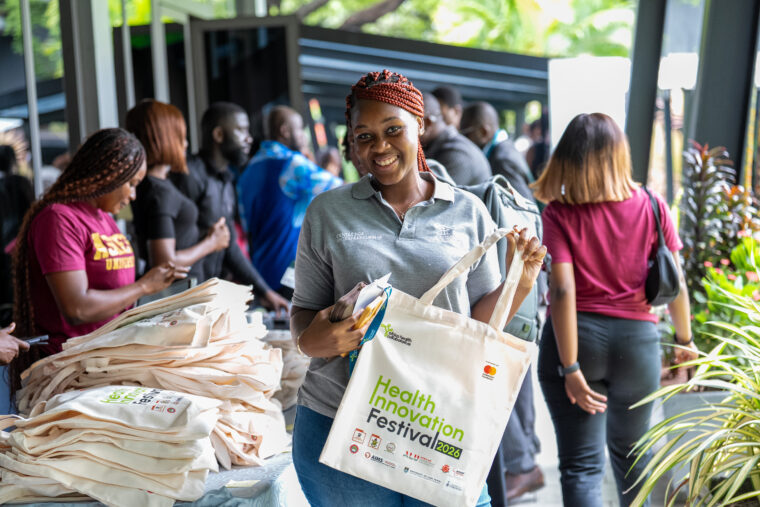
Health Innovation Festival 2026 Opens in Ghana with a Call for Collaboration, Innovation, and Investment
HIFest 2026 brings together emerging entrepreneurs, researchers, investors, and health-sector leaders from across Africa and beyond to explore locally driven solutions to some of the continent’s most pressing healthcare challenges
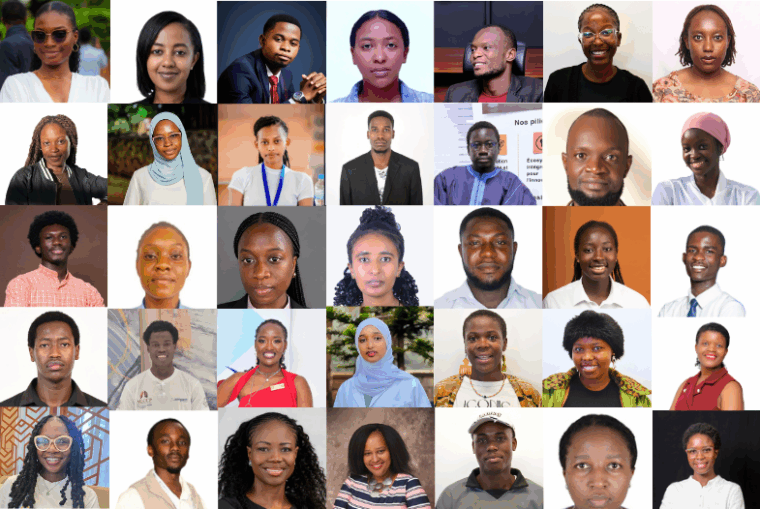
Inside HIFest 2026: Meet the 37 Ventures Shaping the Future of Health in Africa
These African-led ventures represent some of the most promising health innovations advancing primary healthcare, entrepreneurship, and health systems strengthening across the continent.

Africa’s Young Health Innovators Need More Than a Stage
HIFest is the nexus where Africa’s young health innovators turn their bold and transformative ideas into huge impacts. Here’s an opportunity to fuel the future of Africa’s healthcare system.
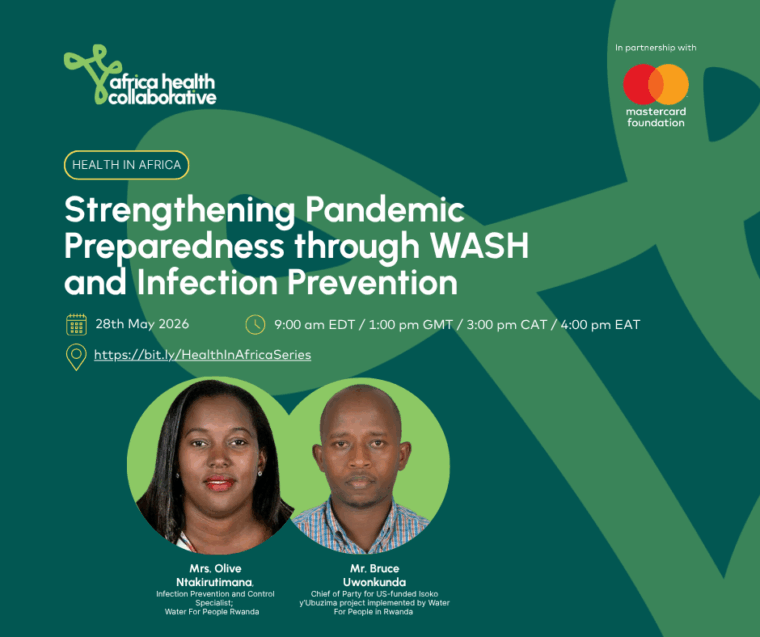
Strengthening Pandemic Preparedness through WASH and Infection Prevention
Join two IPC and WASH experts as they share practical approaches to strengthening healthcare systems through sustainable WASH services and robust IPC measures.
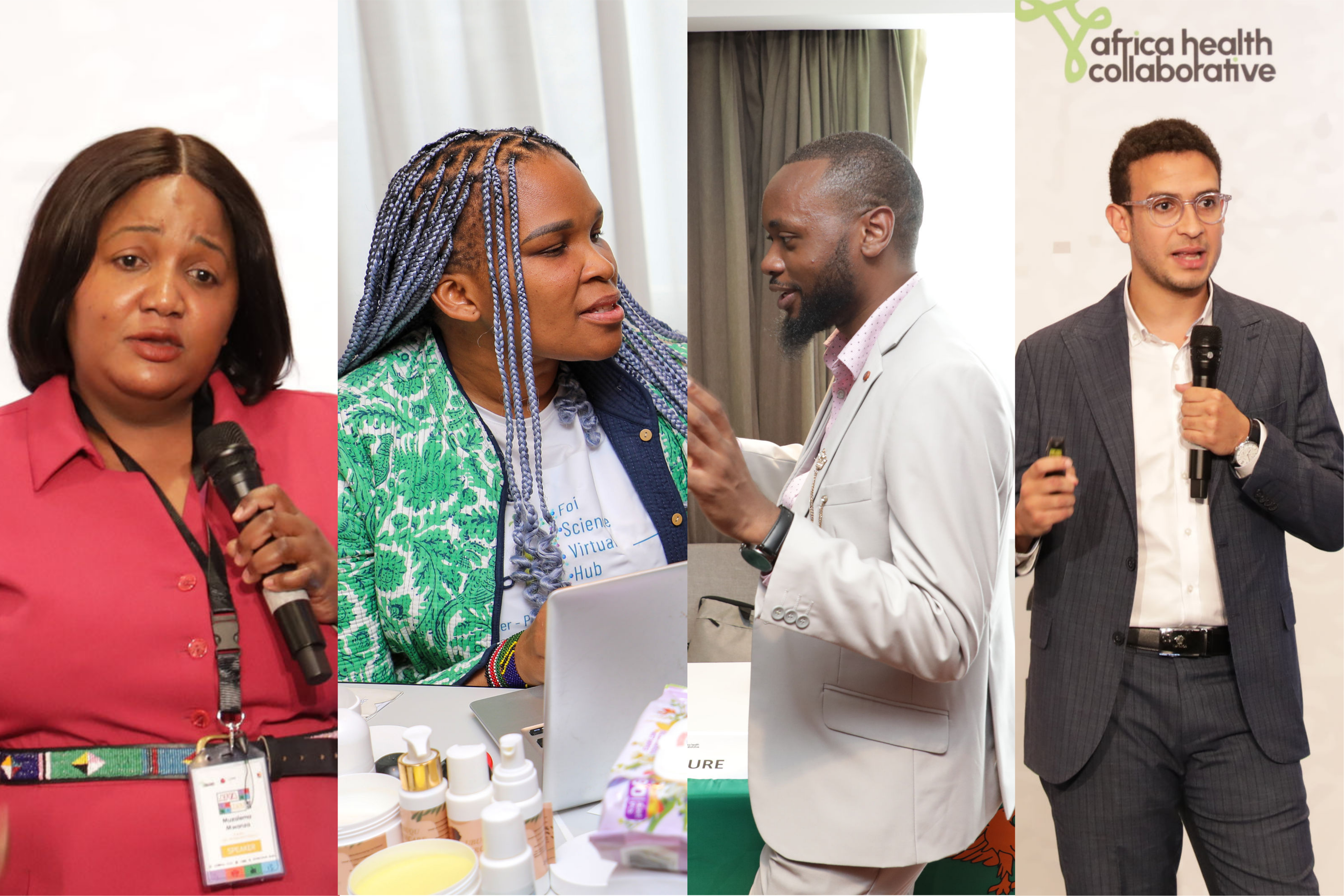
Road to HIFest 2026: Winning Innovations from AfyaFest 2025
As preparations begin for HIFest 2026 in Accra, Ghana, this June, jointly hosted by Ashesi University and KNUST, we celebrate the 2025 winning innovators advancing equitable primary healthcare access across the continent.
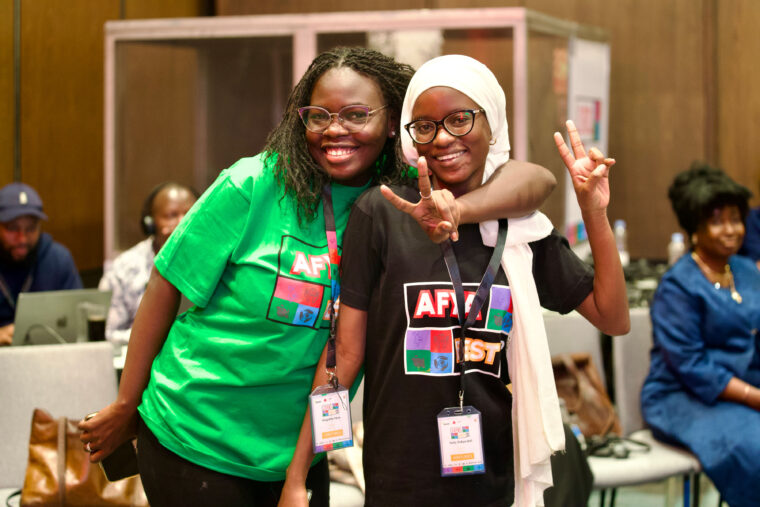
Health Innovation Festival 2026 Heads to Accra, Ghana this June
The future of healthcare in Africa will be shaped by young innovators, bold partnerships, and locally driven solutions — and the Health Innovation Festival (HIFest 2026) – formerly AfyaFest, aims to bring all three together in one dynamic continental gathering. This flagship innovation event of the Africa Health Collaborative (AHC) will take place in Accra, Ghana, from June 4-6, 2026. Co-hosted by two of Ghana’s leading universities — Ashesi University […]

Leveraging Continuous Quality Improvement (CQI) and AI Innovations to Strengthen Healthcare Delivery in Ghana
Join policymakers, health practitioners, and digital health innovators to learn valuable lessons on applying data-driven approaches in real-world health system contexts.
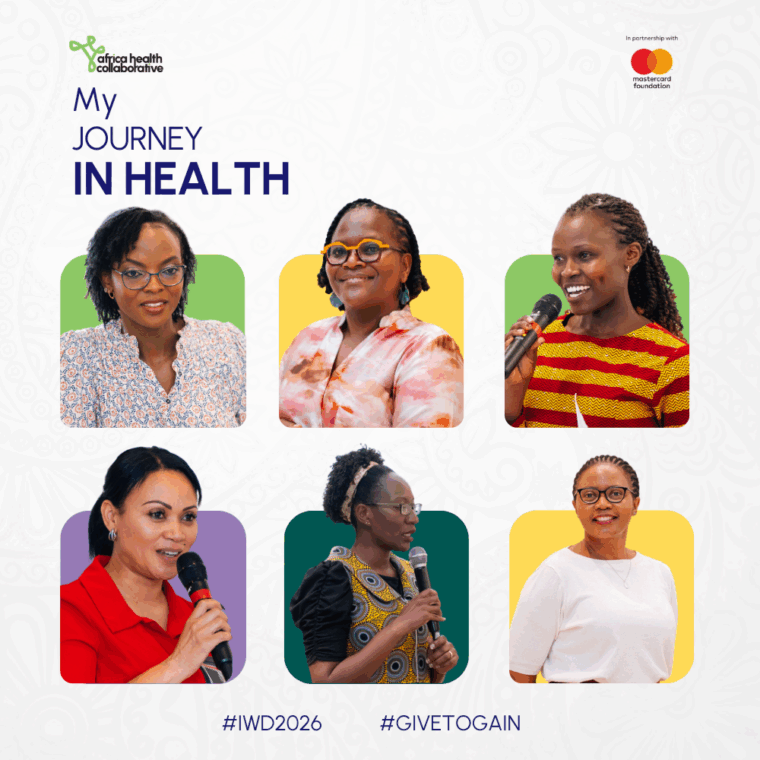
#IWD2026: Give to Gain—The Ripple Effect of Investing in Women Leaders in Global Health
Read about how fellows from the Women in Global Health Leadership Fellowship are leading and strengthening health systems across Africa.
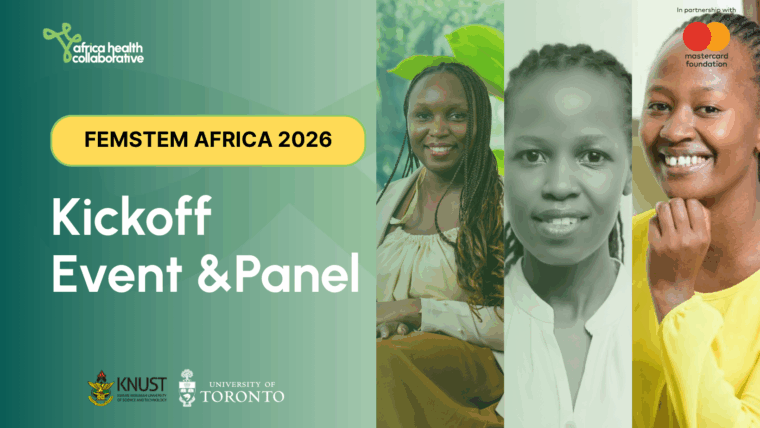
FemSTEM Africa 2026: Kickoff Event & Panel
Join Kwame Nkrumah University of Science and Technology (KNUST) & U of T on Tuesday, March 31 as we kickoff the FemSTEM Africa 2026 event series!

Program Manager, Africa Health Collaborative
Apply for the Program Manager role at the Africa Health Collaborative. Closing date is March 20, 2026.